Cover Crops
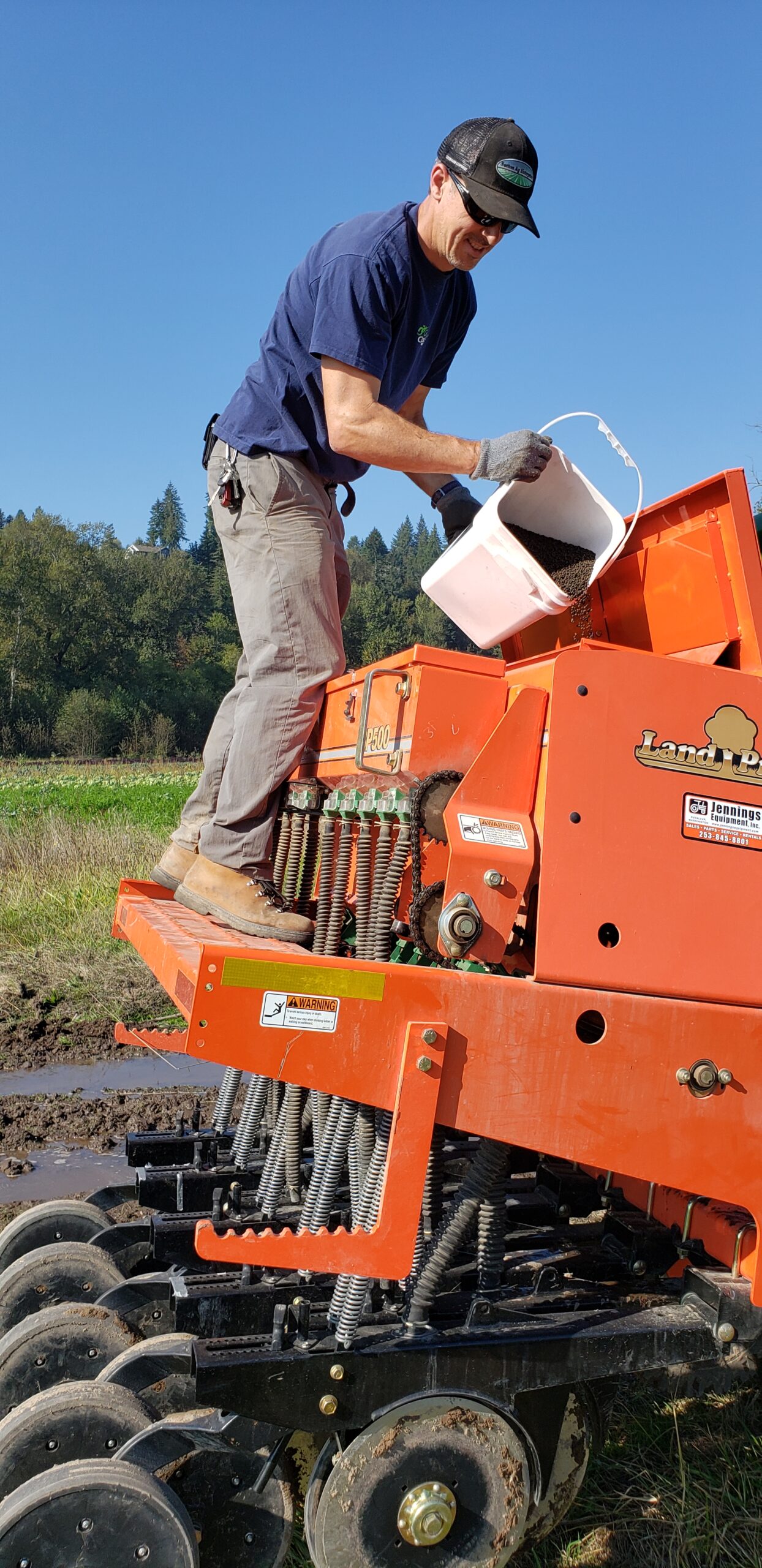
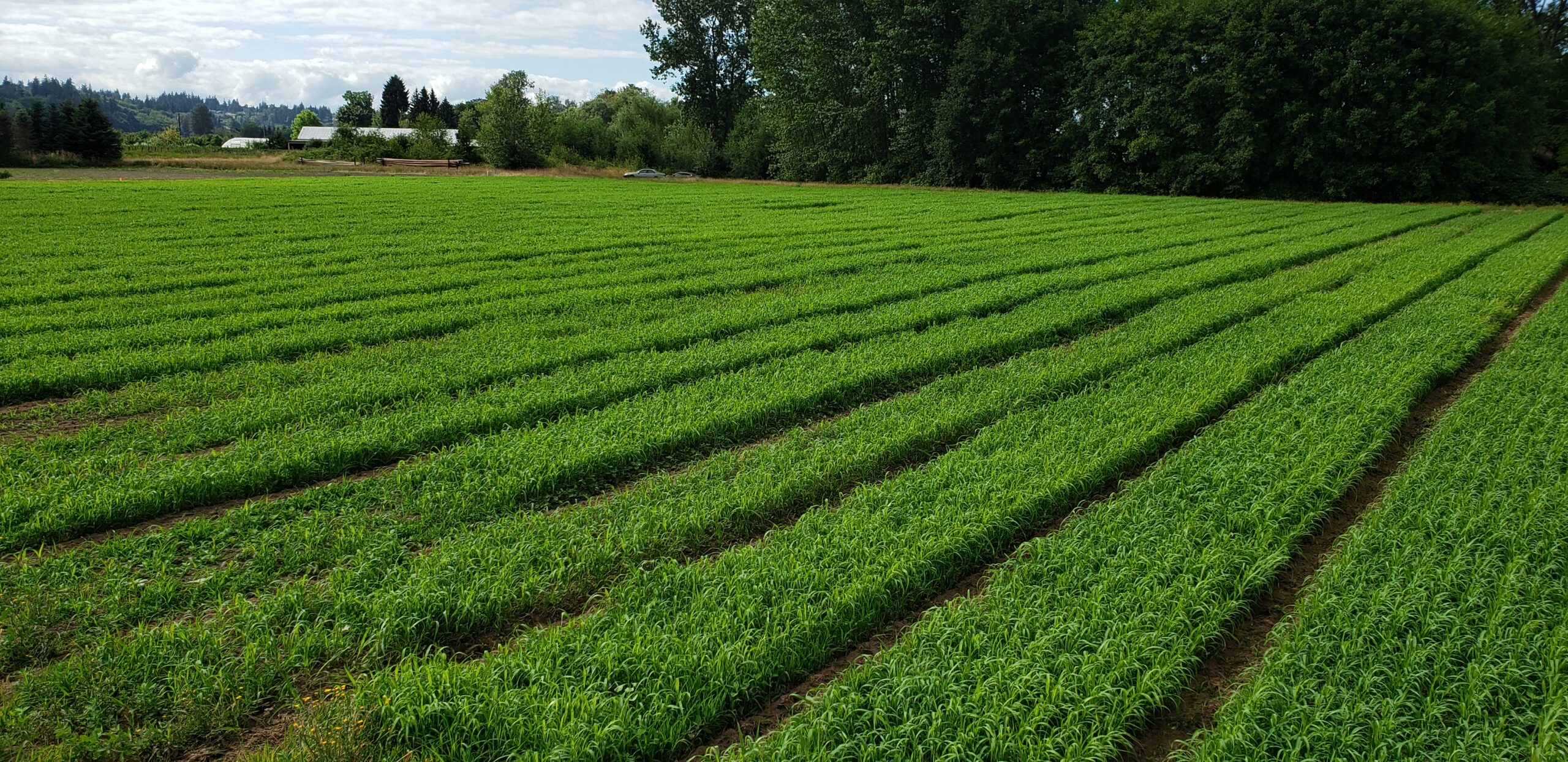
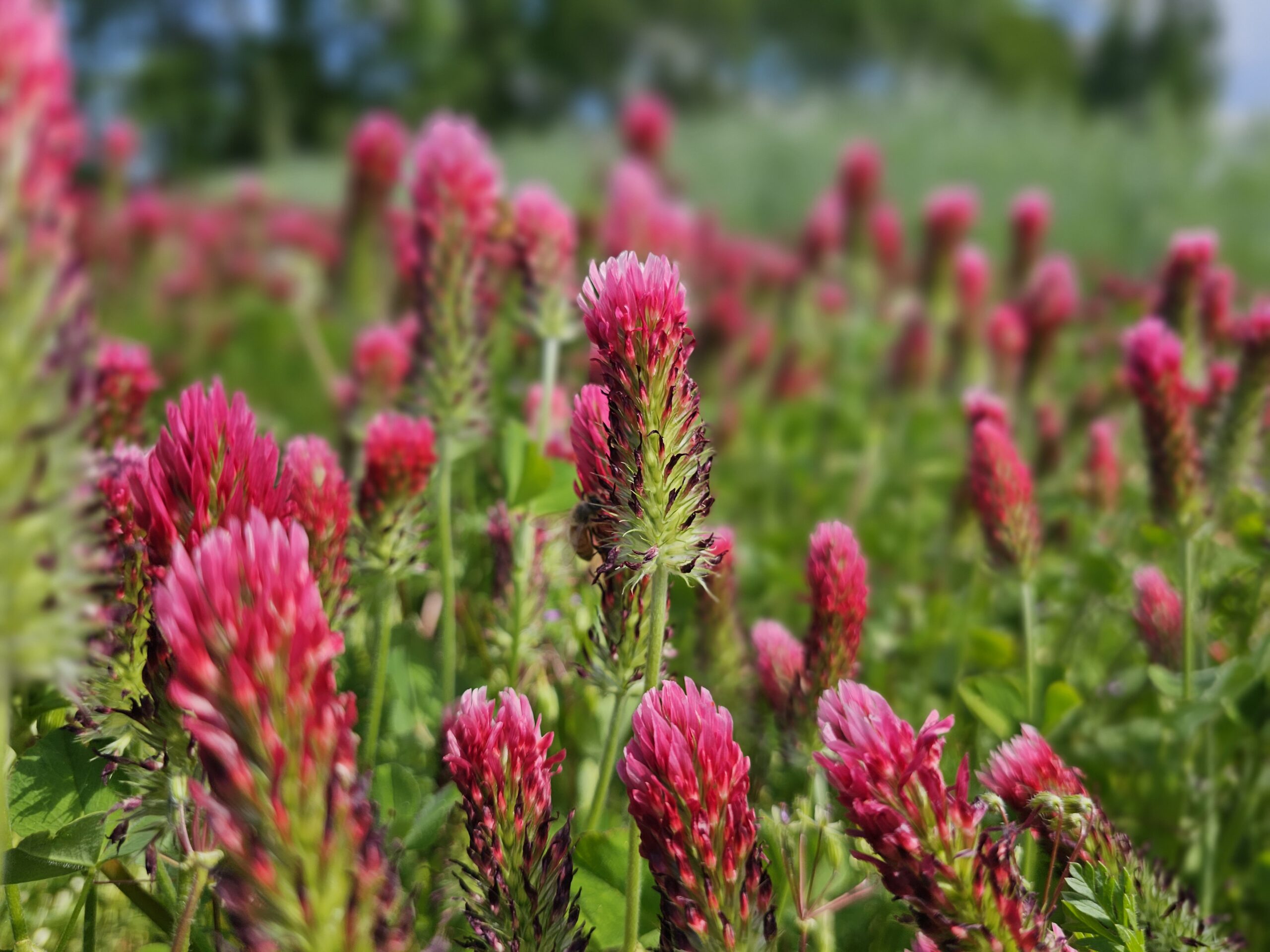

Cover crops are used to supply organic matter to soils, improve soil structure, fix nitrogen, cycle nutrients, protect soil from erosion, and as a tool to manage weeds and other pests. Choice and management of cover crops depend on which benefits are most important, and on the cropping system.
The Western Cover Crops Council
The Western Cover Crops Council (WCCC) works to facilitate and enhance communication and collaboration that promotes the successful adoption and integration of cover cropping into Western U.S. agricultural systems. The council covers the states and territories within the Western SARE region. We recently launched the cover crop species selection tool, which was highlighted in the Capital Press and PSagrarian.
If you would like to be involved in the mission and work of the WCCC, a great way to do so is through our subregional committees. The Pacific Northwest Committee covers Washington, Oregon, Idaho, and Alaska.
Cover Crops for Biofuels: Splitting cover crop benefits between soil and biofuel feedstock
In the Pacific Northwest, cover crop adoption by farmers is limited by the uncertainty around management logistics and the added cost of establishing a crop that doesn’t contribute directly to income. Returning cover crop biomass back into the soil is important for building soil health, but would an additional income for the aboveground biomass incentivize more farmers to try cover crops? And are there short-term costs for soil health or the following cash crop yield when removing cover crops? Washington State University and the Pacific Northwest National Laboratories are partnering to answer these questions in replicated trials in three growing regions in Washington State. We are examining the agronomic consequences of cover crop removal on different cash crops, soils, and the overall economic impact for both farmers and biofuel producers. In the first three years of the trial, we learned that triticale and hairy vetch are highest yielding and are suitable feedstocks for hydrothermal liquefaction, a new and efficient conversion technology that can produce liquid hydrocarbon fuels from different wet feedstocks. Our findings suggest there is potential to pursue cover crops not only for their soil health benefits, but also for direct financial benefit and renewable energy needs.
Collaborators: Teal Potter, Aaron Esser, Steven Norberg, Chad Kruger, Miki Santosa, Francesca Pierobon
Publications: Santosa, D.M., Potter, T, Pierobon, F, Göreke, D., Meyer, P.A., Kruger, C.E., Norberg, S., Collins, D., Male, J. 2025. Unlocking the biofuel power of cover crop in Washington State: Enhancing potential through hydrothermal liquefaction. Biomass and Bioenergy. 203: 108311, 1-12. DOI: https://doi.org/10.1016/j.biombioe.2025.108311
Soil Compaction in Annual Crop Production: Causes, Impacts, and Solutions. Maltry, J. Collins, D.P., LaHue, G., Jayakaran, A.D. 2025. WSU Extension Publication.
Nitrogen Contribution of Rye-Hairy Vetch Cover Crop Mixtures to Organically Grown Sweet Corn. Lawson, A., A. M. Fortuna, C.G. Cogger, A.I. Bary, and T. Stubbs. 2012. Renew. Ag. Food Sys. 28:59-69. Available on CJO doi:10.1017/S1742170512000014.
Influence of Seeding Ratio, Planting Date, and Termination Date on Rye-Hairy Vetch Cover Crop Mixture Performance Under Organic Management. Lawson A., C. Cogger, A.Bary, A. Fortuna. 2015. PLoS ONE 10(6): e0129597. doi:10.1371/journal.pone.0129597
Cover Crop Effects on Light, Nitrogen, and Weeds in Organic Reduced Tillage. Wayman, S., C.G Cogger., C. Benedict, D.P. Collins, I Burke, and A.I Bary. 2015. Agroecology and Sustainable Food Systems, 39:647-665. doi: 10.1080/21683565.2015.1018398
The Influence of Cover Crop Variety, Termination Timing, and Termination Method on Mulch, Weed Cover, and Soil Nitrate in Reduced-Tillage Organic Systems. Wayman, S. C. Cogger, C. Benedict, I. Burke, D. Collins, and A. Bary. 2014. Renewable Agric Food Sys. doi: http://dx.doi.org/10.1017/S1742170514000246