Compost and Local Organic Nutrients
Current Projects
Sea to Soil: Repurposing nuisance seaweed to boost soil health
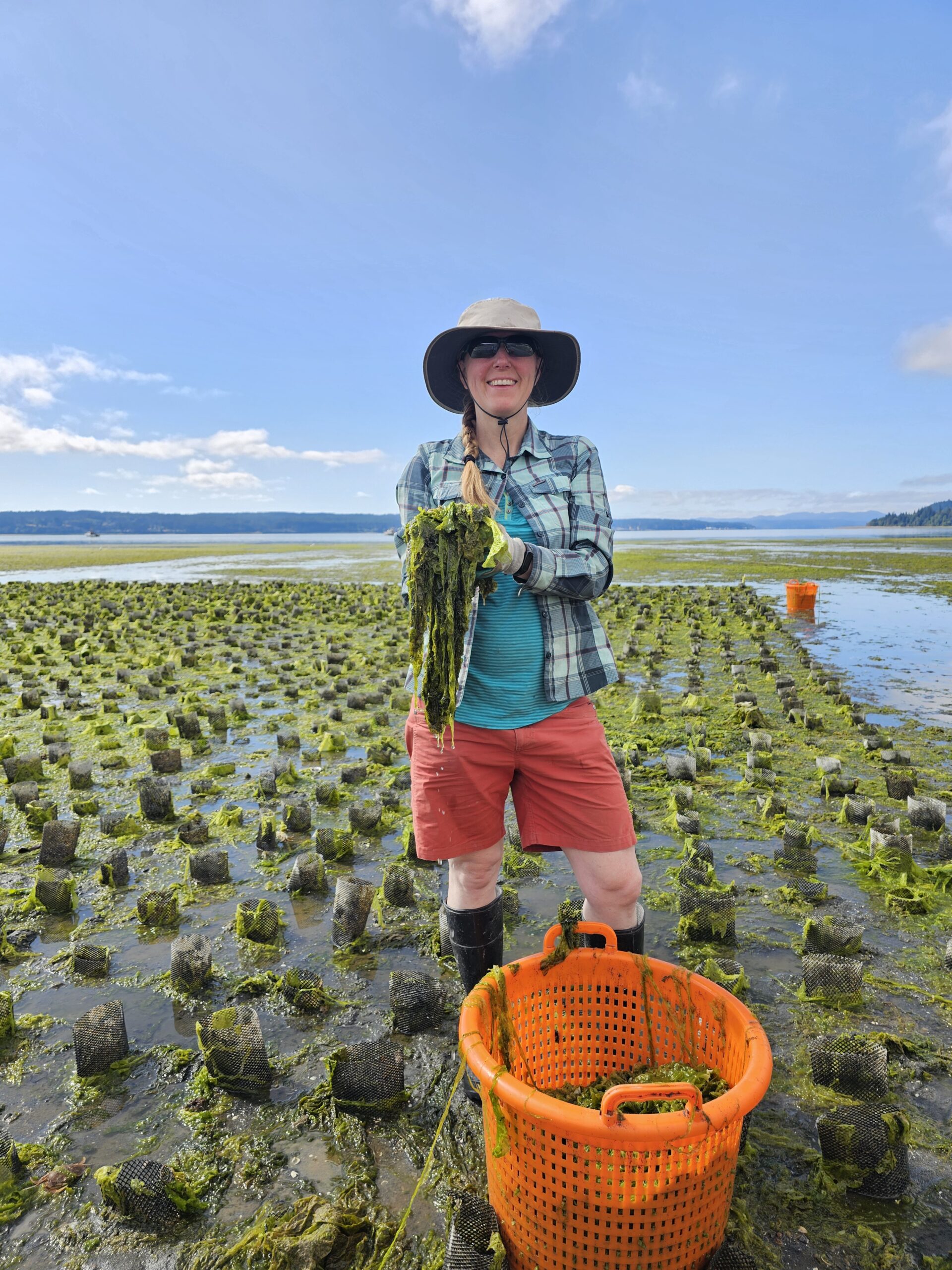
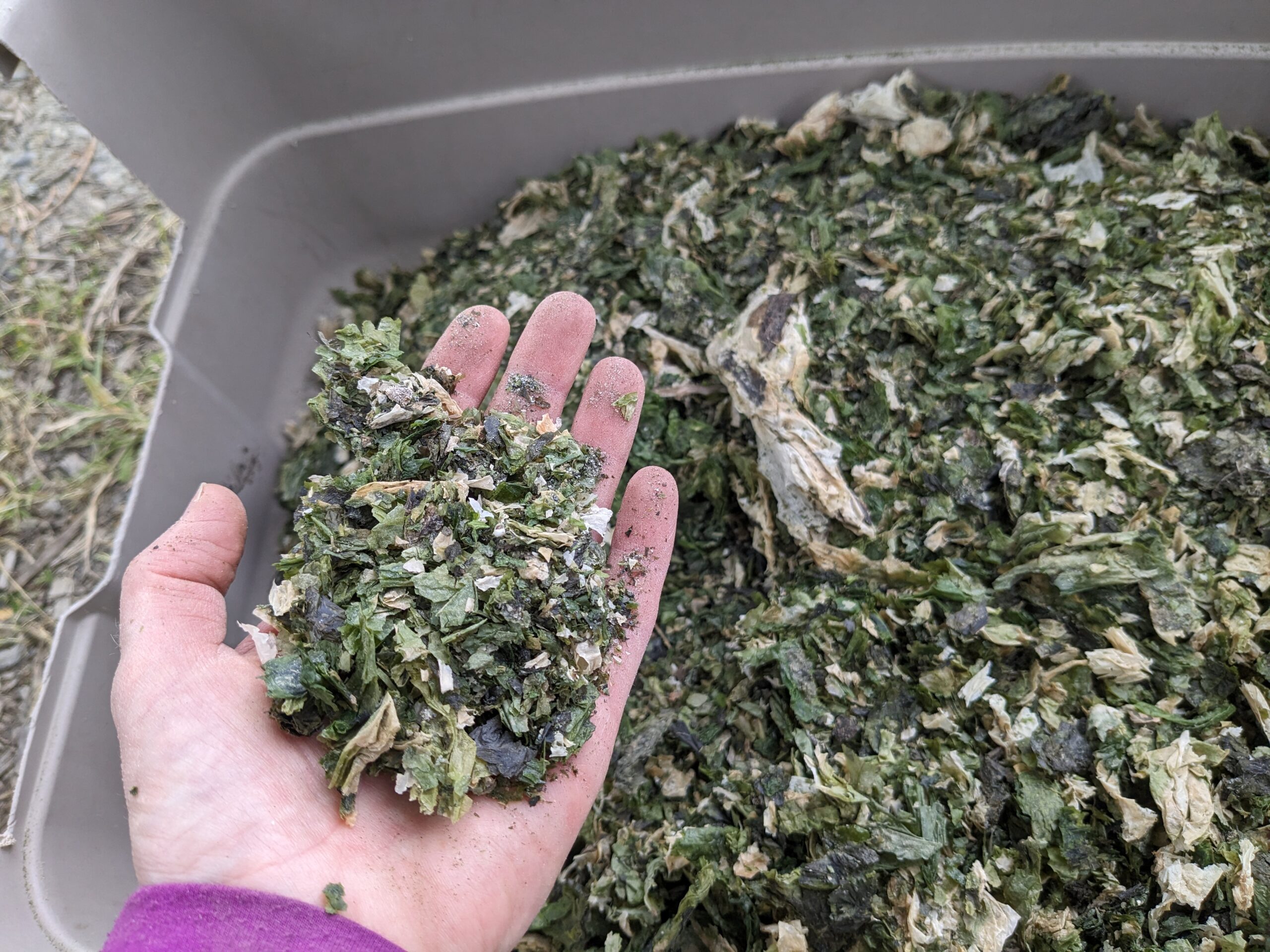
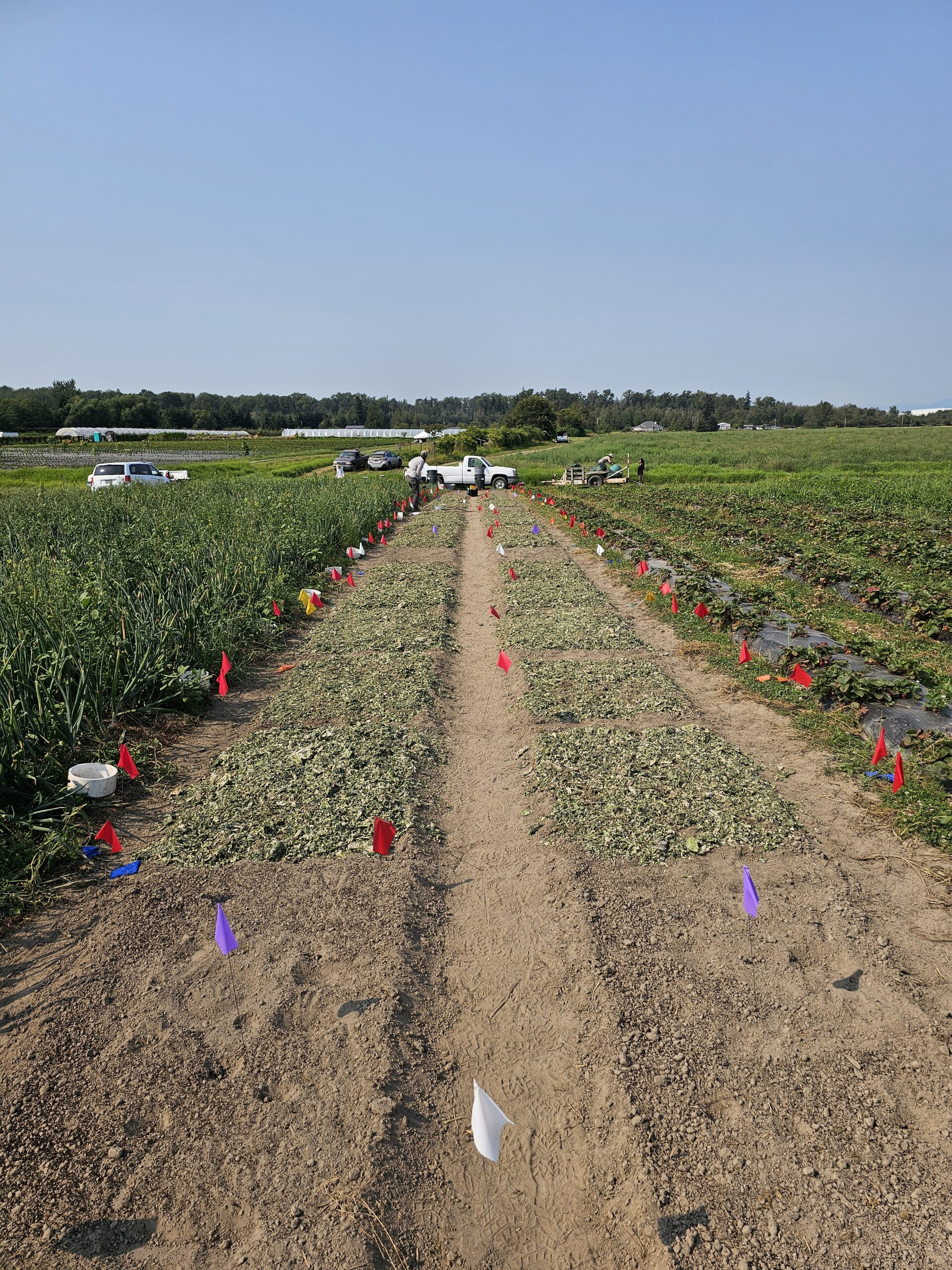
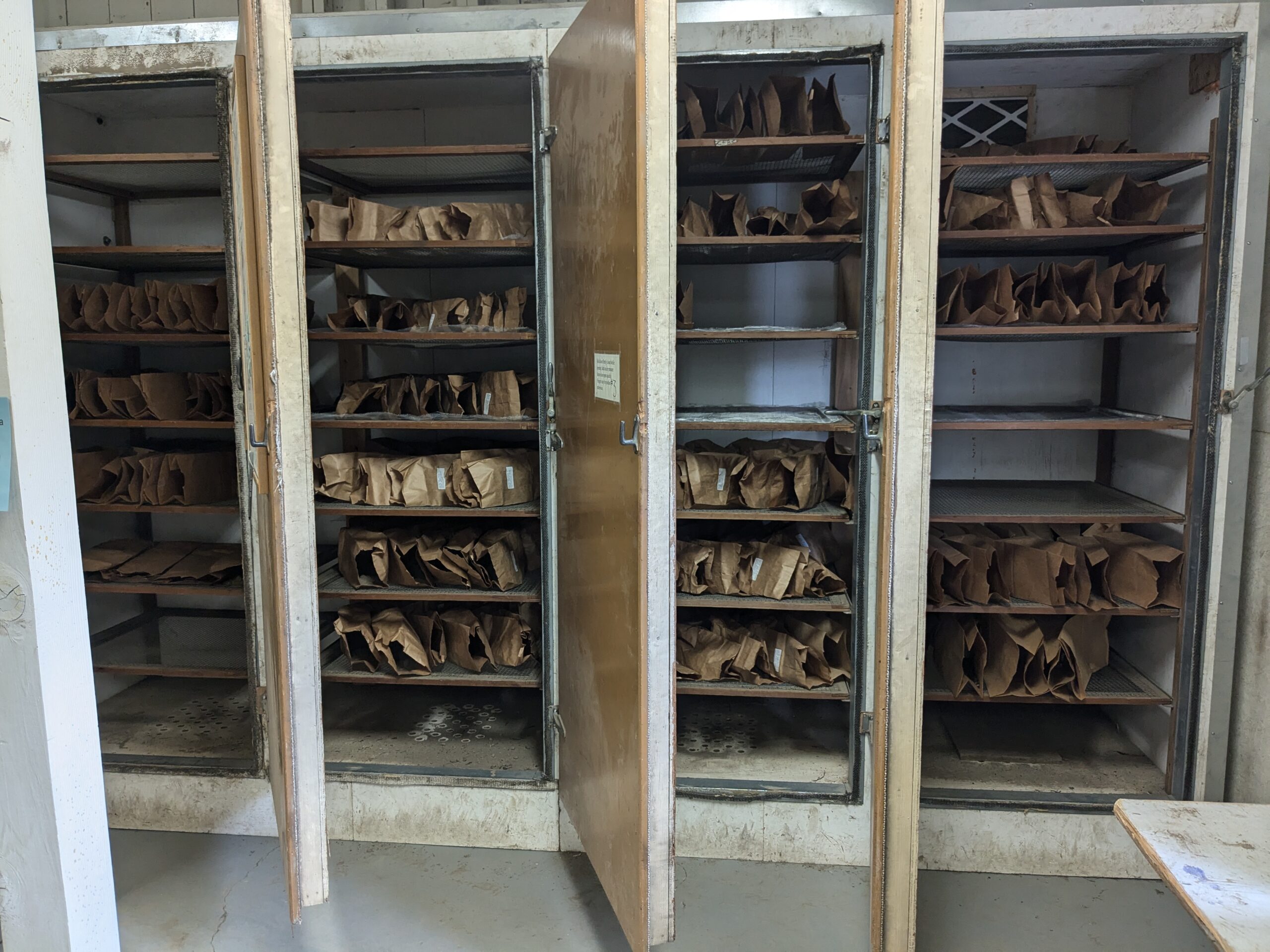
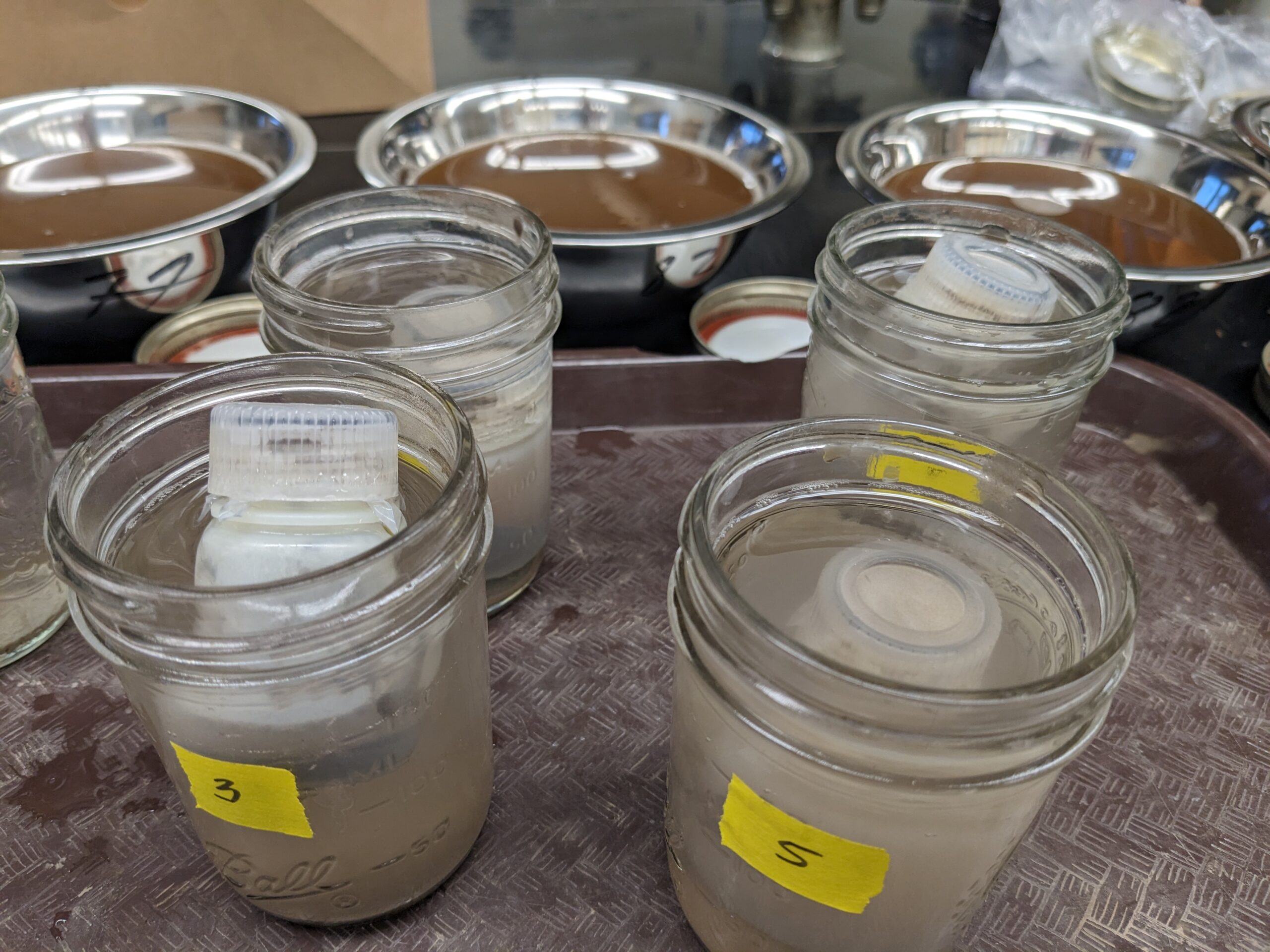
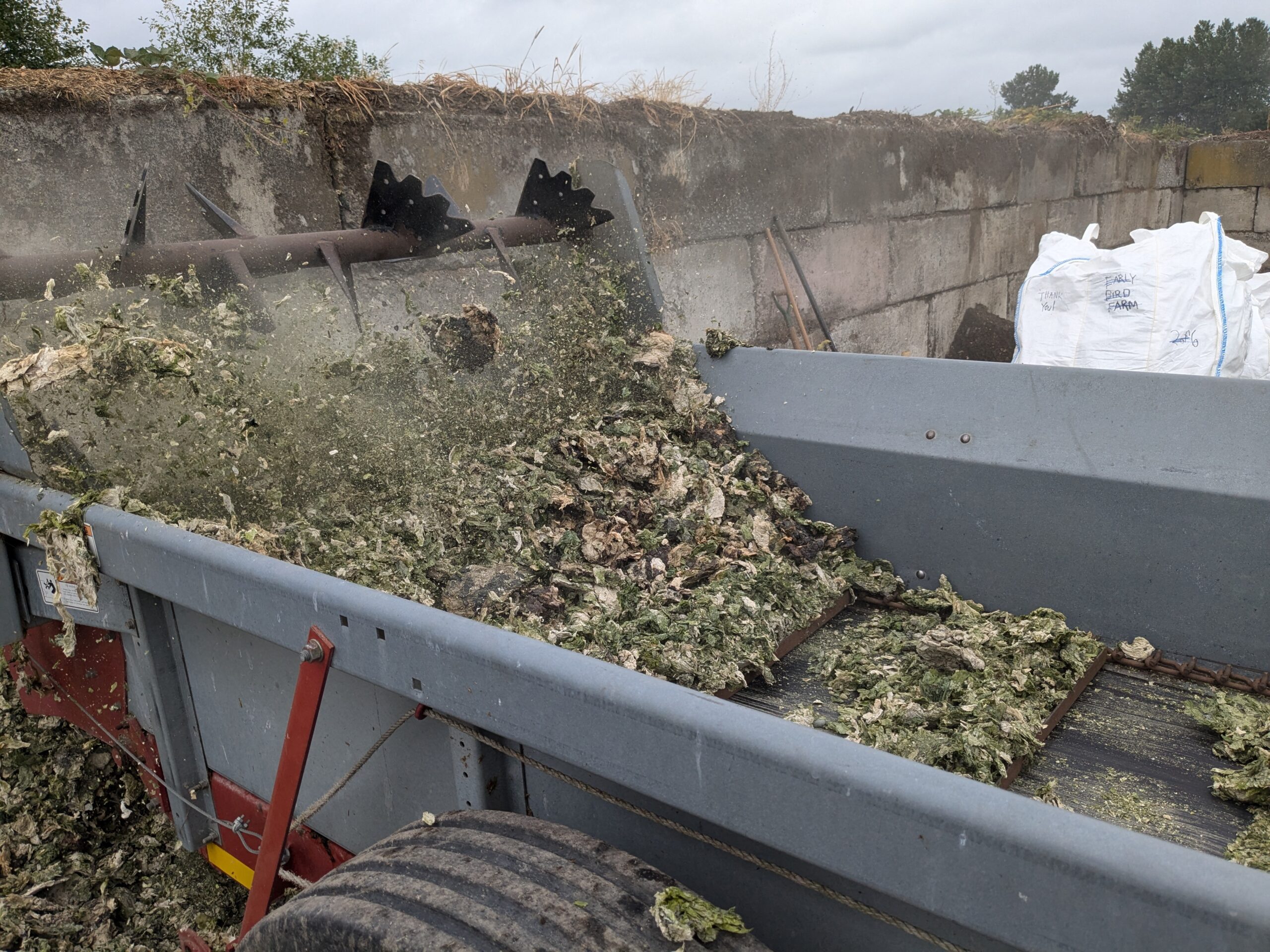
This research examines the soil fertility and carbon effects of nuisance Ulva spp. seaweed when removed from PNW shellfish farms and applied as a soil amendment. Blue Carbon, Green Fields was a collaboration with University of Washington, Viva Farms, Puget Sound Restoration Fund, and partnering marine aquaculture and specialty crop farms in the Puget Sound region.
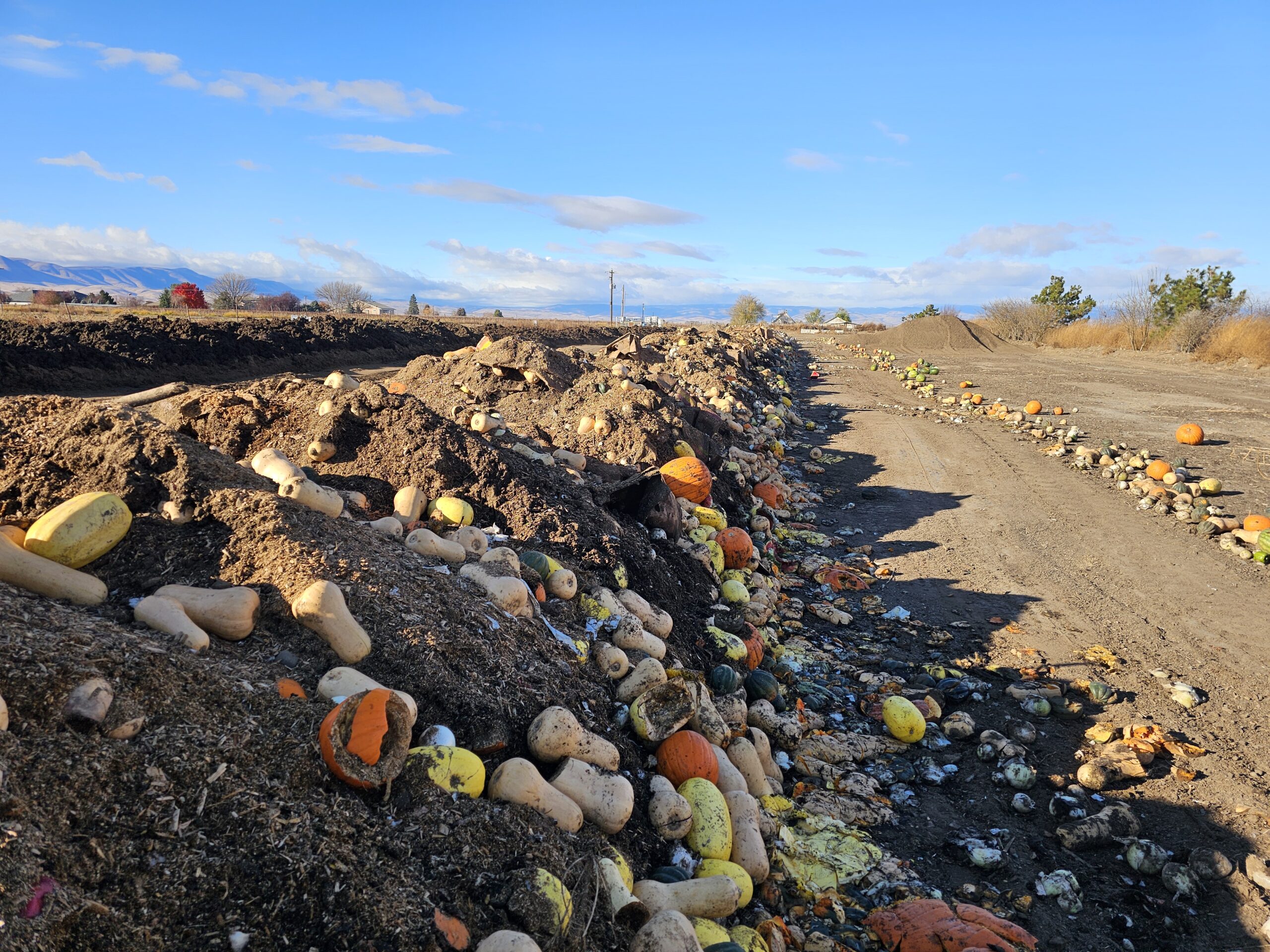
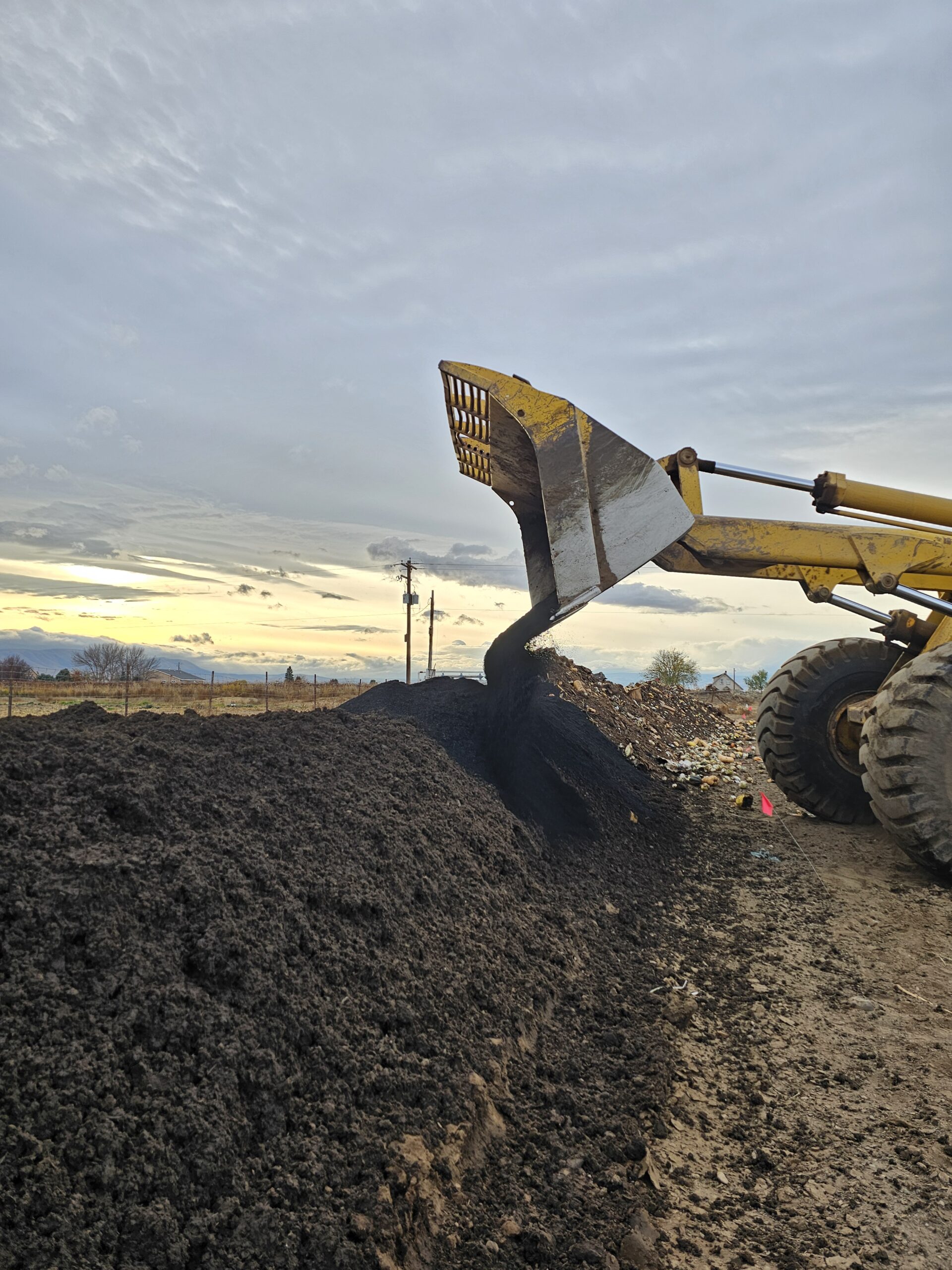
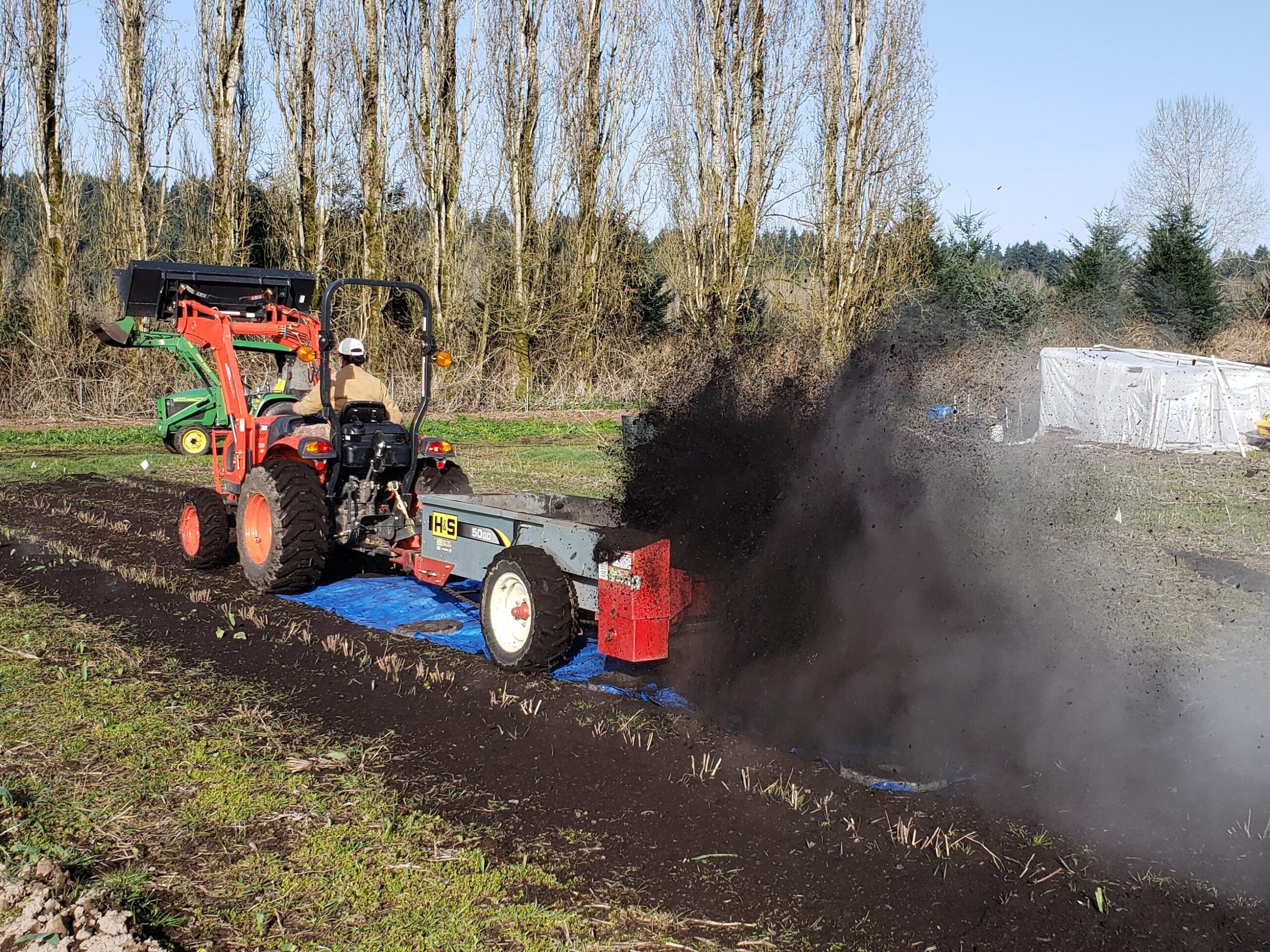
Composting stabilizes organic wastes, reducing nutrient availability, allowing their use at high application rates as a soil amendment. Composts do affect available nutrient levels in soil, often causing short term immobilization (tie-up) of nitrogen, but a long term slow release. We have evaluated effects of compost applications on nitrogen availability and soil properties. We research composting methods and feedstocks and are active in compost training, including hosting the annual Compost Facility Operator training in collaboration with the Washington Organic Recycling Coalition.
Compost Facility Operator Training
Each October, WSU partners with the Washington Organics Recycling Council (WORC) to deliver Washington state’s official Compost Facility Operator Training (CFOT). The course is held in Puyallup with support and instruction from Doug Collins.
CFOT is designed for compost facility operators, on-farm processors, waste management professionals, regulators, municipal staff, and others working in the organics sector. Over four days, participants learn the science and practice of composting through a mix of classroom sessions, field stations, pile building, and facility tours. The curriculum emphasizes process control, facility design, product quality, and the regulatory context—equipping attendees with the skills to manage operations that are both environmentally sound and economically viable.
Compost Analysis. How to sample and prepare your compost to send to a laboratory for analysis, how to choose a laboratory, how to decipher laboratory results.
Calculating Compost Bulk Density. How to calculate bulk density of composts and compost- type materials such as manures and yard waste.
Organic Fertilizer Calculator – Downloadable Excel Worksheet for calculating organic fertilizer rates, developed at Oregon State University using the results of this research and subsequent laboratory research by Dan Sullivan at OSU.
Archive: Clopyralid in Compost. Facts and background about the Clopyralid contamination problem.
Archive: Yard Waste Trimmings. Yard trimmings are organic materials such as lawn clippings, leaves, and pruned material that is applied, without any processing, directly to soil to be amended.
Archive: Compost Mixture Calculator. The Compost Mix Calculator version 2.1 is an Excel xls spreadsheet (for computers) or an Online App (for tablets or phones) that calculates compost mixture C:N ratio and moisture content, based on the analysis of your feed stocks and the mixture proportions that you choose. You can use the spreadsheet or App to evaluate the effects of different feedstock mixtures on C:N ratio and moisture content of the initial pile. The Excel file version also calculates material bulk density and free air space.
Publications:
Interpreting Compost Analyses (PDF/HTML-Online), Sullivan, D.M., A.I. Bary, R.O. Miller, and L.J. Brewer. 2018. Oregon State University Extension Bulletin EM9217. Compost can return nutrients and organic matter to the soil, a proven practice for soil health enhancement. This publication focuses on selecting a lab to perform compost analyses, determining which compost analyses are most relevant to your needs, assessing whether compost is sufficiently stabilized, and avoiding over application of composts high in soluble salts or composts with a pH unsuited to your crop.
Backyard Composting (PDF-Online), Cogger, G., D.M. Sullivan, A. Bary. 2017. Washington State University Extension Bulletin EB1784E.
Washington State Compost Educator’s Guide, Wescott, H., A. Bary, C. Cogger, C. Sullivan, and A Mack. Washington St. Univ. The purpose of the guide is to: provide consistent, science-based information about residential composting and vermicomposting for use in Washington State, assist compost educators in creating training events such as workshops, and inspire a clear vision for home composting as a cornerstone of sustainable living.
Estimating Plant Available Nitrogen Release from Manures, Composts, and Specialty Products. Gale, E.S., D.M. Sullivan, C.G. Cogger, A.I. Bary, D.D. Hemphill, and E.A. Myhre. 2006. J. Environ. Qual. 35:2321-2332.
Predicting Plant-Available Nitrogen from Organic Amendments in the Second Year after Application (PDF-Online). Kusonwiriyawong, C., D.M. Sullivan, D.D. Hemphill, C.G. Cogger, A.I. Bary and E. Myhre. 2014. Acta Hort. 1018: 325-333.
Urban Highway Roadside Soils and Shrub Plantings are Enhanced by Surface Applied and Incorporated Organic Amendments. Bary. A. R.L. Hummel, and C. Cogger. 2016. J. Arbor. Urban Hort. 42:418-427.
Fate of Antibiotics and Antibiotic Resistance During Digestion and Composting: A Review. Youngquist, C.P, S.M. Mitchell, and C.G. Cogger. 2016. J. Environ. Qual. 45:537-545. doi:10.2134/jeq2015.05.0256
Antibiotic Degradation During Thermophilic Composting. Mitchell, S.M., J.L. Ullman, A. Bary, C.G. Cogger, A.L. Teel, and R.J. Watts. 2015. Water Air Soil Pollut. 226:13.
Soil and Redosier Dogwood Response to Incorporated and Surface-Applied Compost. Cogger, C., R. Hummel, J. Hart, and A. Bary. 2008. Hortsci. 43:2143–2150.
Comparison of a Gas Detection Tubes Test with the Traditional Alkaline Trap Method to Evaluate Compost Stability. Benito, M, A. Masaguar, A. Moliner, C.G. Cogger, and A.I. Bary. 2005. Biol. Fertil. Soils 41:447-450.
Potential Compost Benefits for Restoration of Soils Disturbed by Urban Development. Cogger, C.G. 2005. Compost Sci. Utiliz. 13:243-251.
Nitrogen Availability Seven Years After a High-Rate Food Waste Compost Application. Sullivan, D.M., A.I. Bary, T.J. Nartea, E.A. Myhre, C.G. Cogger, and S.C. Fransen. 2003. Compost Sci. Util. 11:265-275.
Food Waste Compost Effects on Fertilizer Nitrogen Efficiency, Available Nitrogen, and Tall Fescue Yield. Sullivan, D.M., A.I. Bary, D.R. Thomas, S.C. Fransen, and C.G. Cogger. 2002. Soil Sci. Soc. Am. J. 66:154-161.
Fertilizer Nitrogen Replacement Value of Food Residuals Composted with Yard Trimmings, Paper, or Wood Wastes. Sullivan, D.M., S.C. Fransen, A.I. Bary, and C.G. Cogger. 1998. Compost Sci. 6(1):6-18.
Slow-Release Nitrogen From Composts: The Bulking Agent is More Than Just Fluff. Sullivan, D.M., S.C. Fransen, A.I. Bary, and C.G. Cogger. 1998. p. 319-325. In: S.L. Brown, J.S. Angle, and L.W. Jacobs (ed.) Beneficial co-utilization of agricultural, municipal, and industrial by-products. Kluwer Academic Publishers, Dodrecht, The Netherlands. [book chapter]
Washington State Department of Ecology, Composting, Siting and Operating Compost Facilities in Washington State publication, & other publications and resources.
Washington Organic Recycling Council, information, training, events.
The Art and Science of Composting, (PDF-online) Univ. Wisconsin-Madison
Cornell Composting, educational materials, programs, links.